
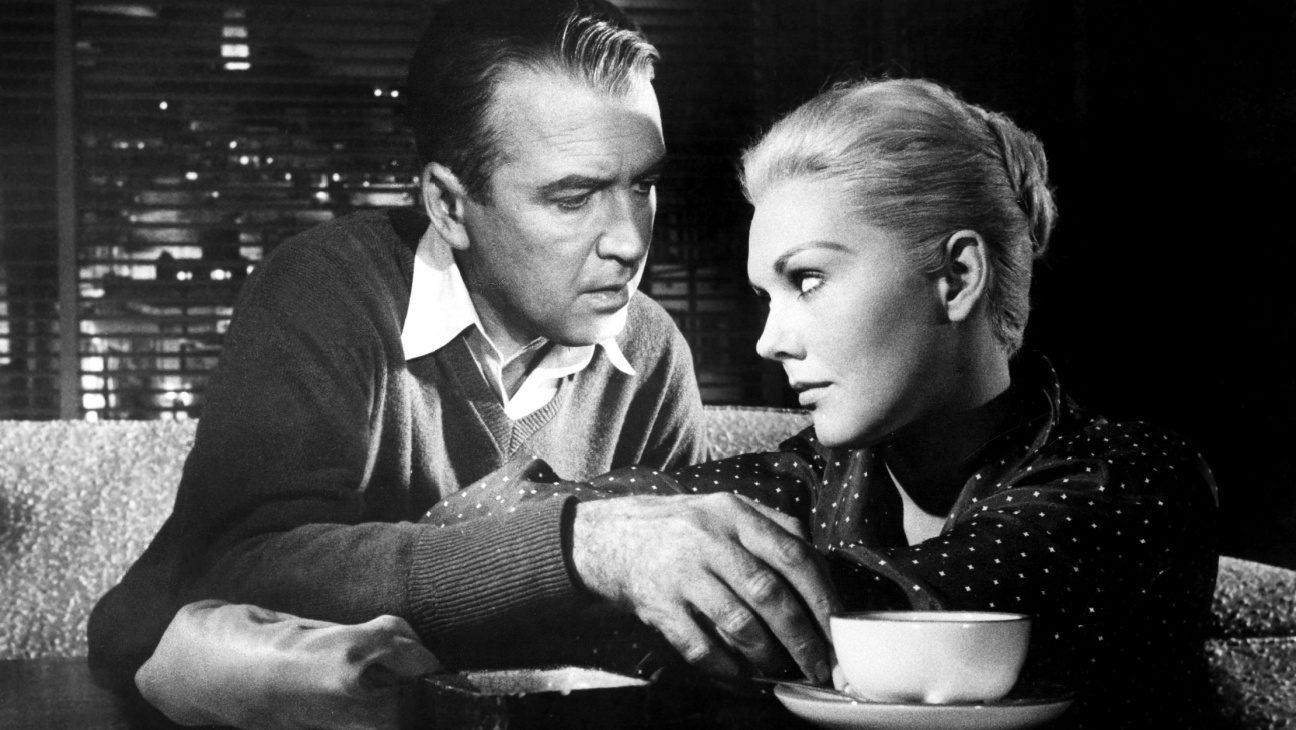
Vertigo Shop: The Cinematic Journey Behind a Classic Masterpiece
Alfred Hitchcock's "Vertigo" is not just a film; it's a cinematic masterpiece that has captivated audiences for decades. Its complex narrative, stunning visuals, and haunting score have cemented its place in film history. However, "Vertigo" is also a film that thrives on its intricacies, inviting viewers to dive deep into the layers that create a truly immersive experience. One of the pivotal aspects of this journey is the fascinating world of the Vertigo Shop, a treasure trove for fans and newcomers alike.
The Legacy of Vertigo
Released in 1958, "Vertigo" was initially met with mixed reviews. However, over the years, it has been reassessed and is now considered one of Hitchcock's crowning achievements and a hallmark of American cinema. The film tells the story of a retired San Francisco police detective suffering from acrophobia, who becomes obsessed with a woman he is hired to follow. Its themes of obsession, identity, and the elusive nature of reality resonate strongly, making it endlessly relevant today.
Exploring the Vertigo Shop
For fans of "Vertigo," the Vertigo Shop offers a unique opportunity to delve deeper into the film's allure. This shop is not just about merchandise; it's an homage to Hitchcock's brilliant storytelling and aesthetic. Within its walls, one can find an array of items, from posters and collectibles to detailed books about the making of the film.
The Vertigo Shop serves as a hub for enthusiasts to gather, reflecting on the film's impact on their lives. It’s a place to share theories, discuss favorite scenes, and connect with other fans who appreciate the layers of meaning embedded in Hitchcock's work. By visiting the shop, fans can step into the universe of "Vertigo" and foster a community that celebrates this iconic film.
The Art and Craft of "Vertigo"
Beyond the shop, "Vertigo" itself is a study in cinematic craft. Hitchcock's use of color, particularly the iconic greens and reds, serves to immerse the viewer in the psychological depth of the characters. The film's innovative camera techniques, like the famous dolly zoom, create a disorienting effect that mirrors the protagonist's vertigo, drawing viewers into his experience. Each detail contributes to an overarching sense of dread and fascination, intricately tying together narrative and visual artistry.
Moreover, the film's score, composed by Bernard Herrmann, heightens the emotional resonance of the story. The music masterfully reflects the internal turmoil of the characters, guiding viewers through the rollercoaster of emotions experienced by the protagonist. This collaboration between visuals and sound exemplifies why "Vertigo" remains a powerful film, influencing countless filmmakers and artists.
The Cultural Significance of Vertigo
"Vertigo" transcends its status as just a film; it has become a cultural touchstone. Its themes of love, obsession, and the struggle for identity resonate in various forms across different media. Famous filmmakers have paid homage to "Vertigo," reflecting its lasting influence on the cinematic landscape.
The study of "Vertigo" continues in film schools and among scholars, ensuring that new generations appreciate its depth. The Vertigo Shop represents this cultural legacy, providing resources and materials that nurture an understanding of Hitchcock's genius.
Conclusion
The journey through the world of "Vertigo" is as intricate and layered as the film itself. From its initial reception to its current status as a classic, "Vertigo" invites deep reflection and analysis. The Vertigo Shop stands as a testament to the film’s enduring appeal, offering fans a chance to connect with its rich history and artistry. By exploring the materials and discussions fostered there, one can truly appreciate the magic of Hitchcock's masterpiece and its impact on both cinema and culture. This journey continues to captivate hearts and minds, ensuring that "Vertigo" will remain a central part of film history for years to come.